The Blues
2025
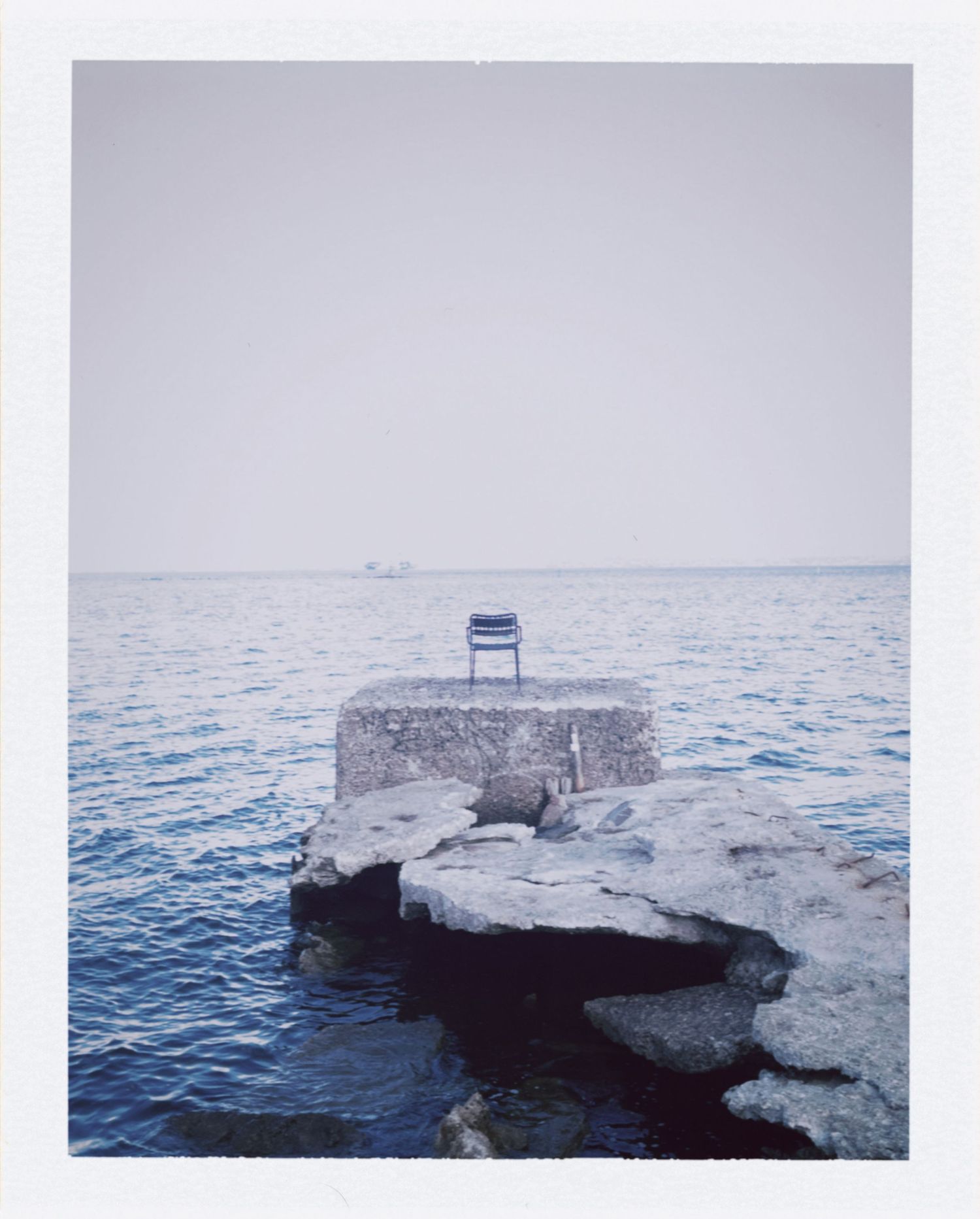
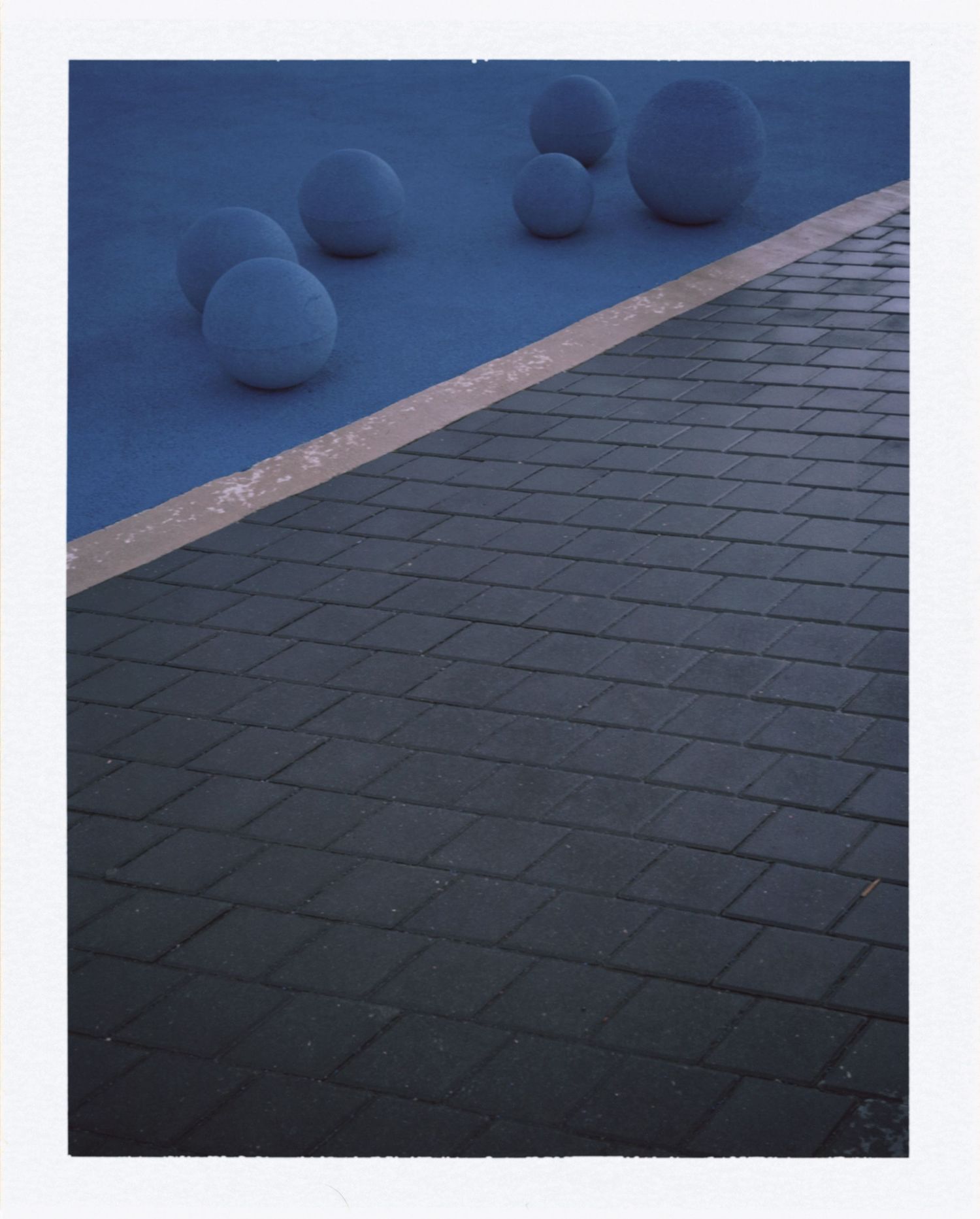
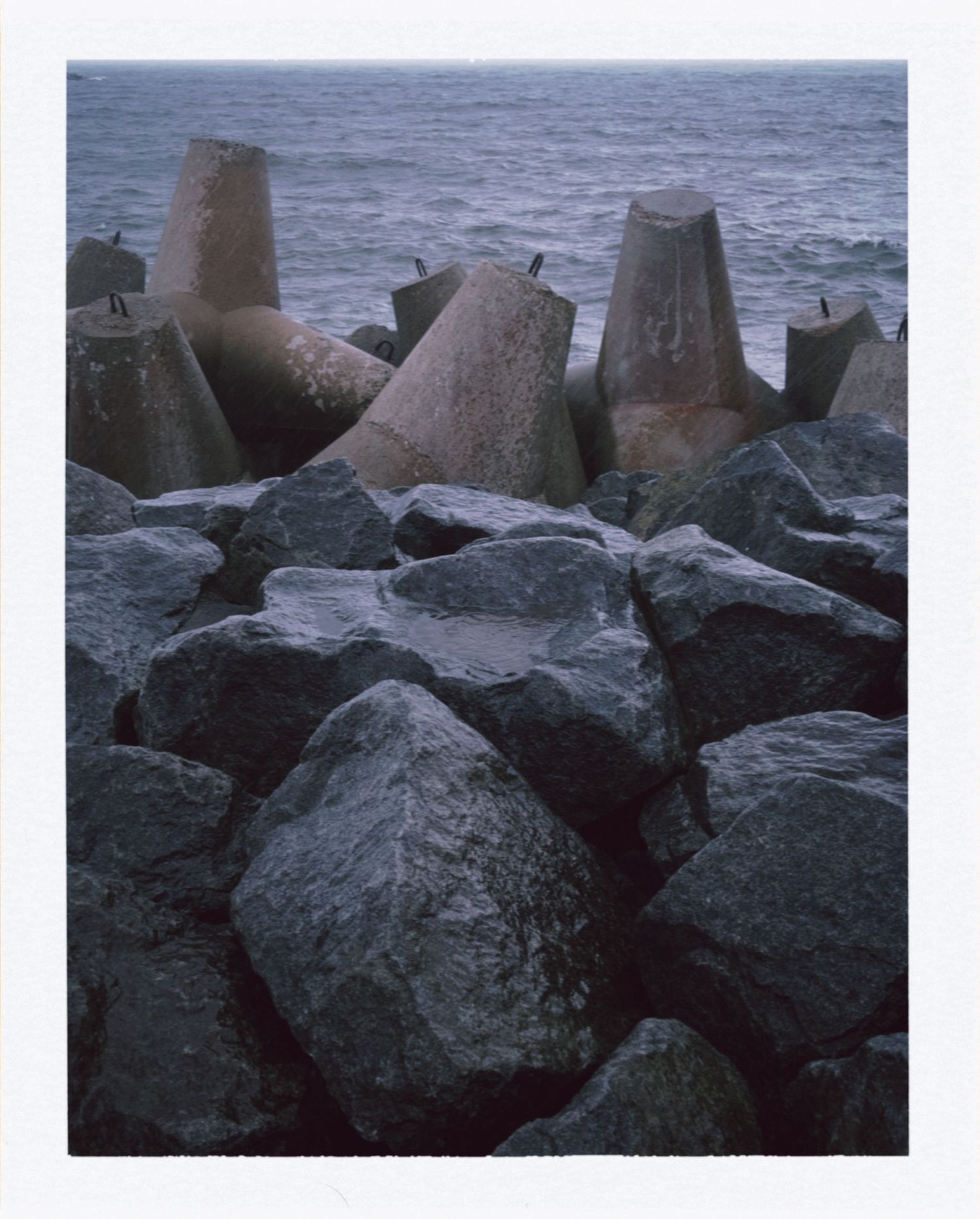
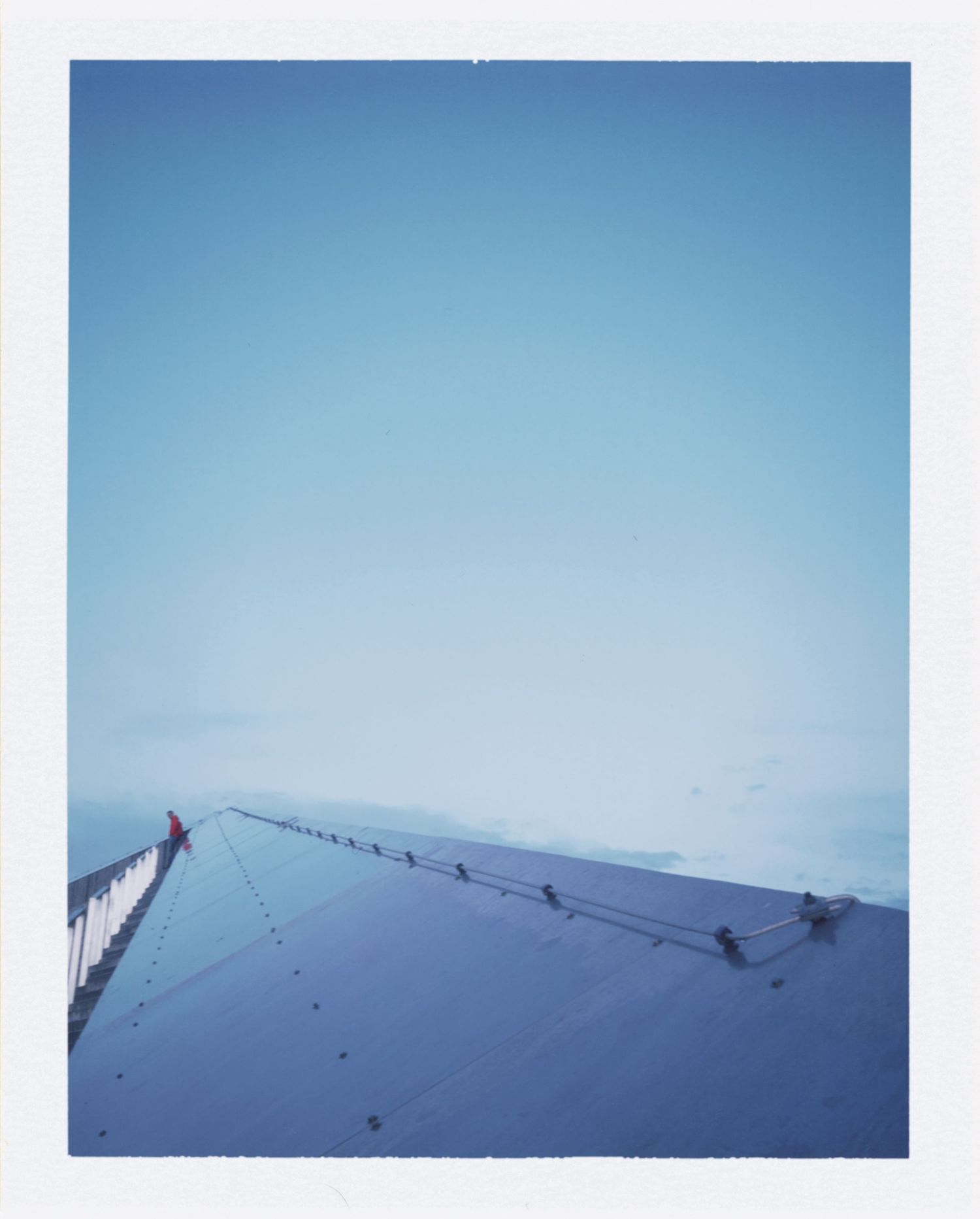
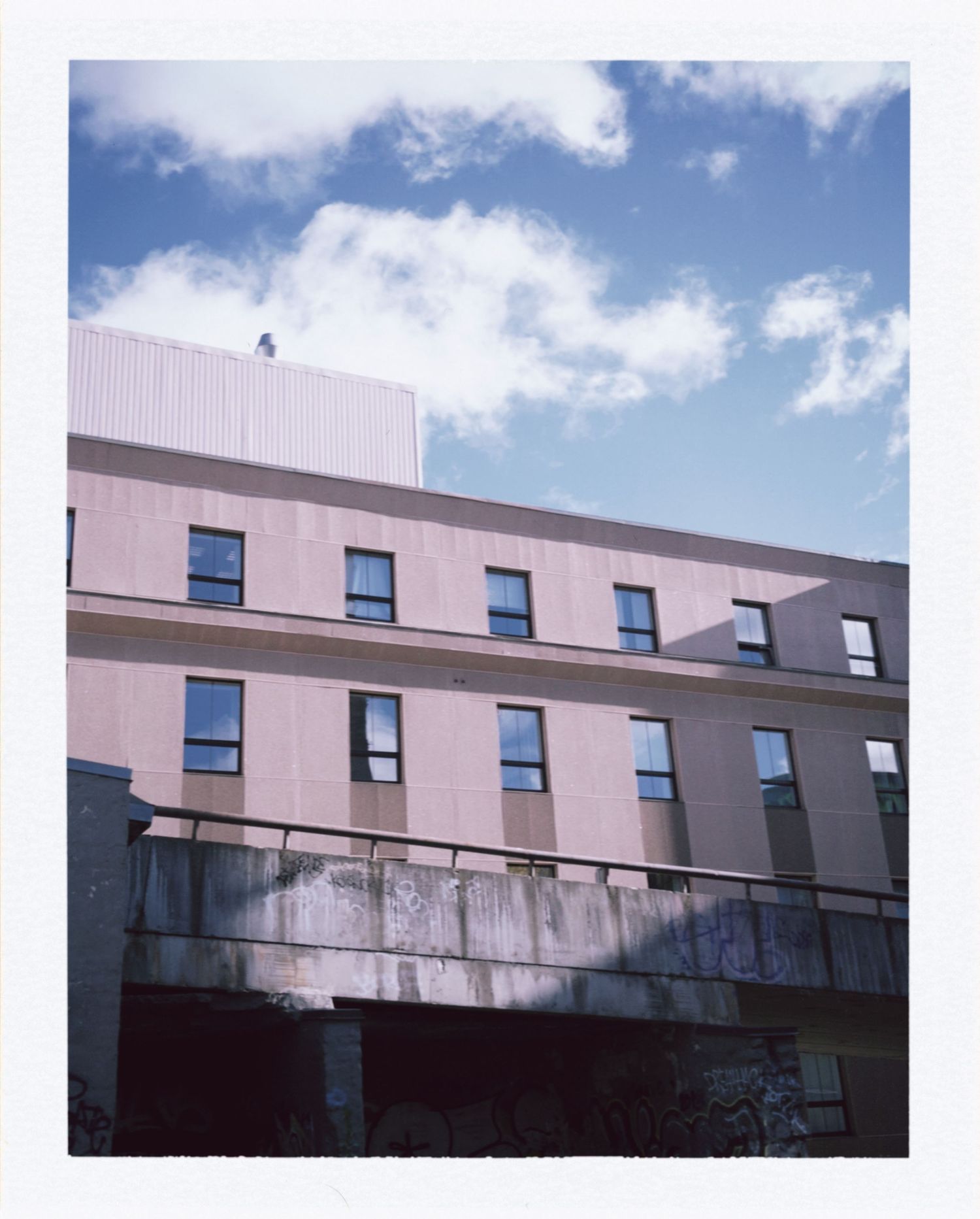
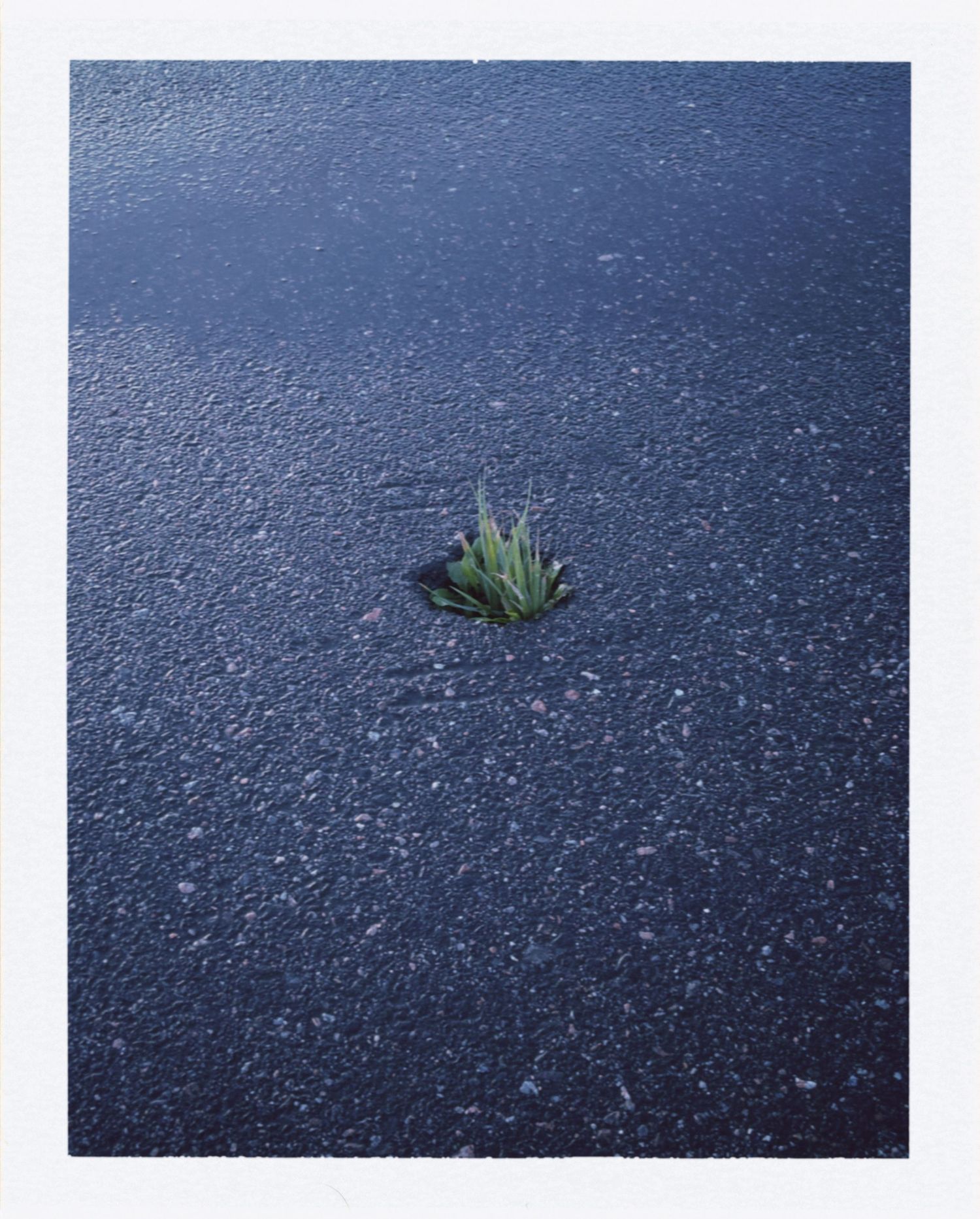
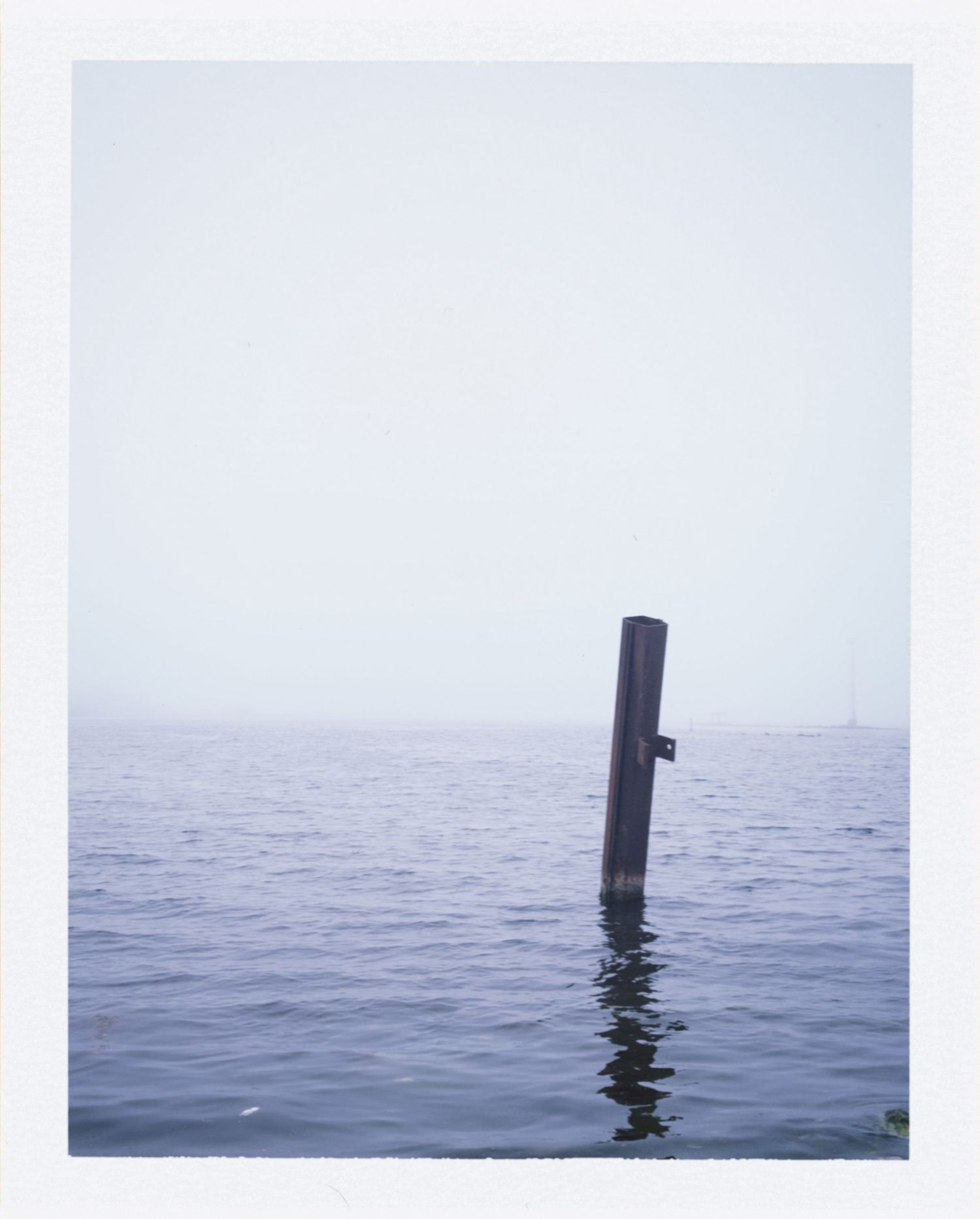
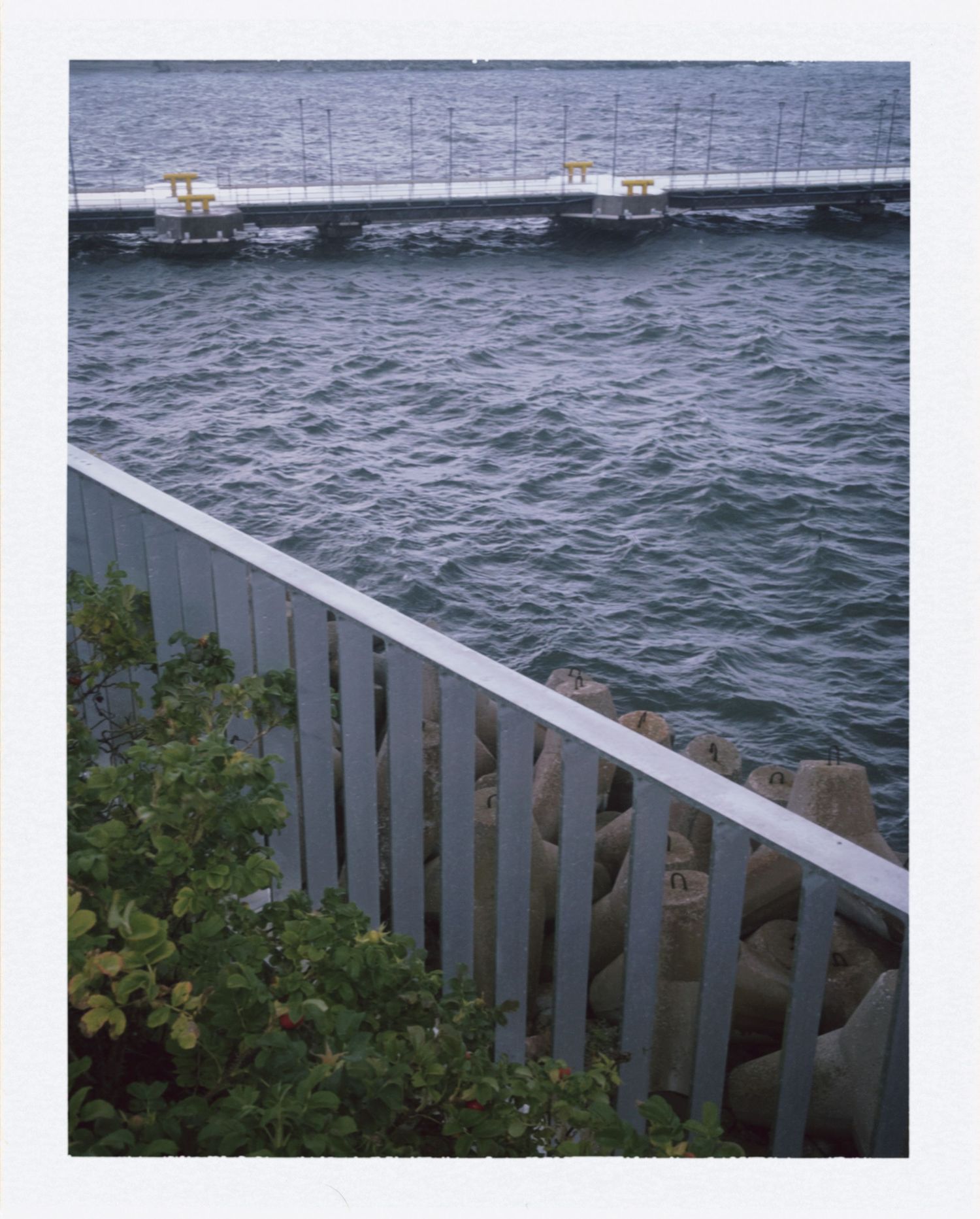
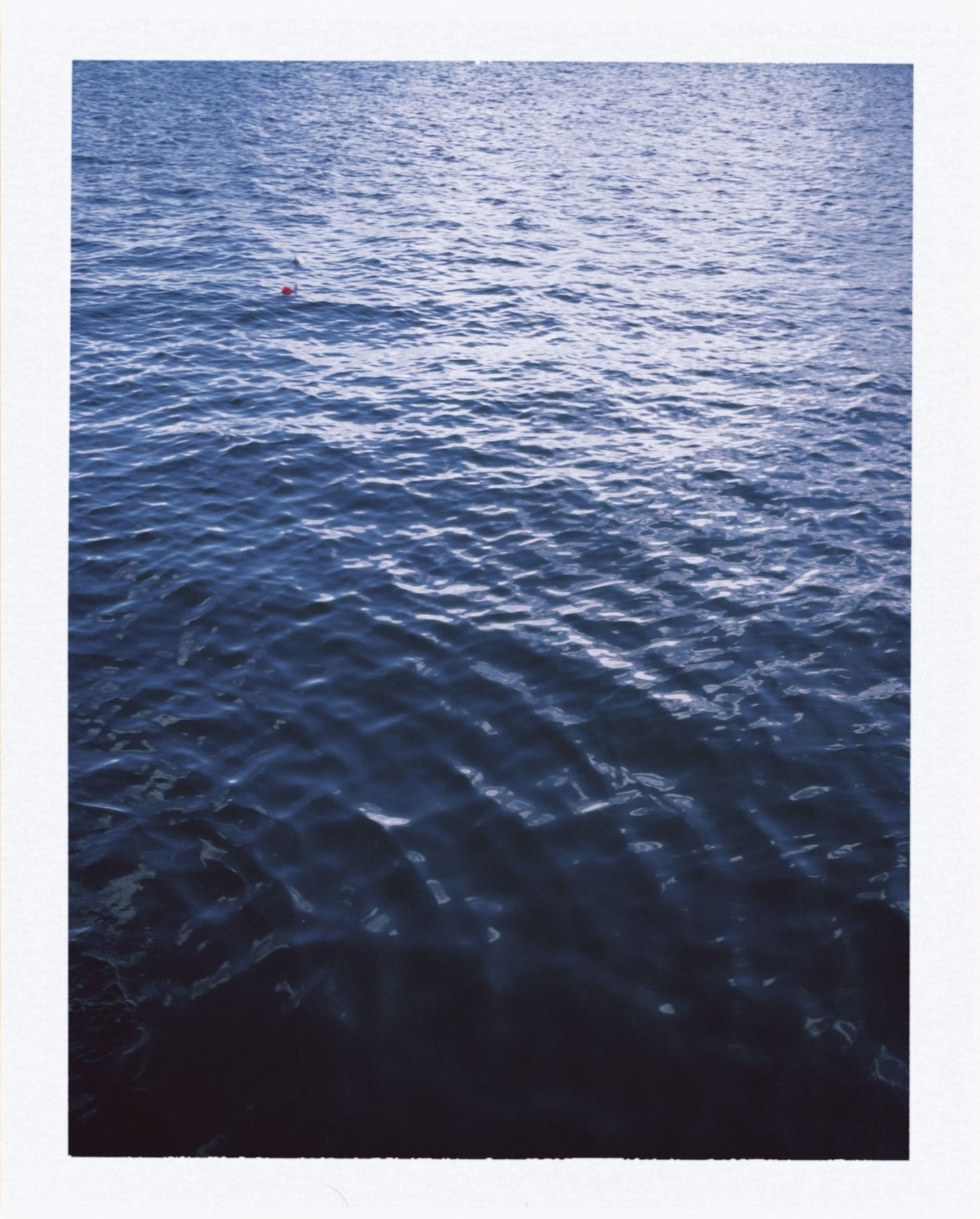
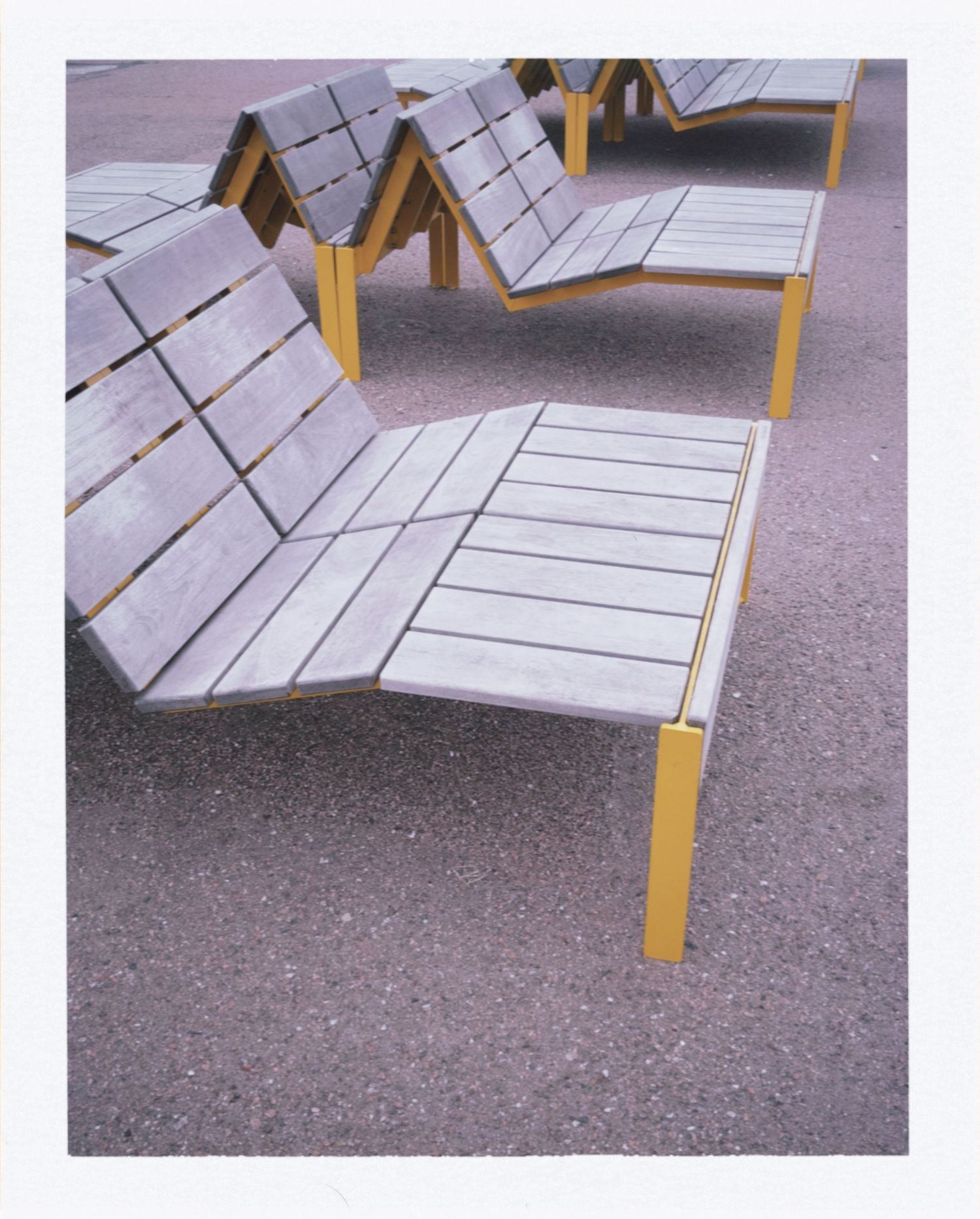
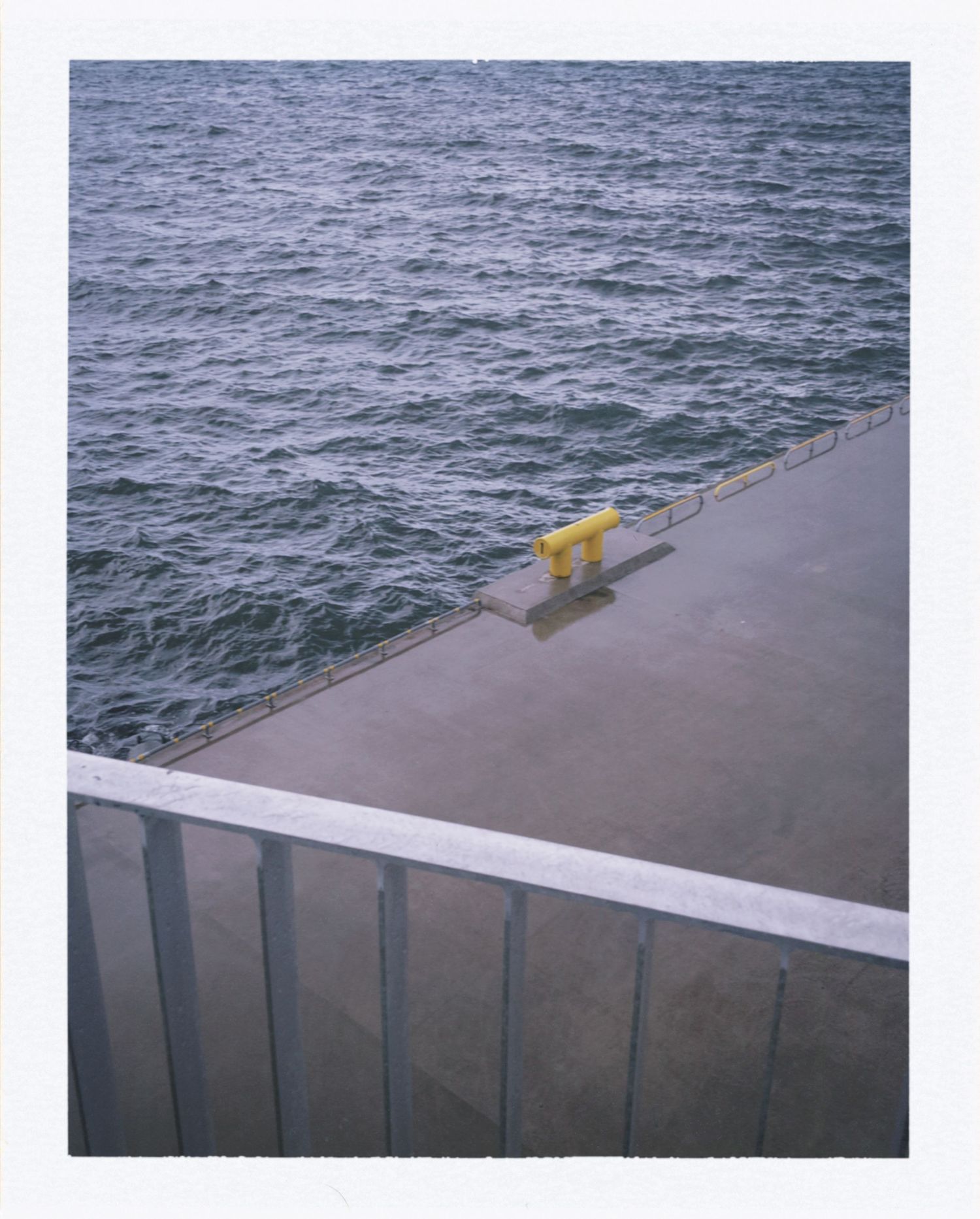
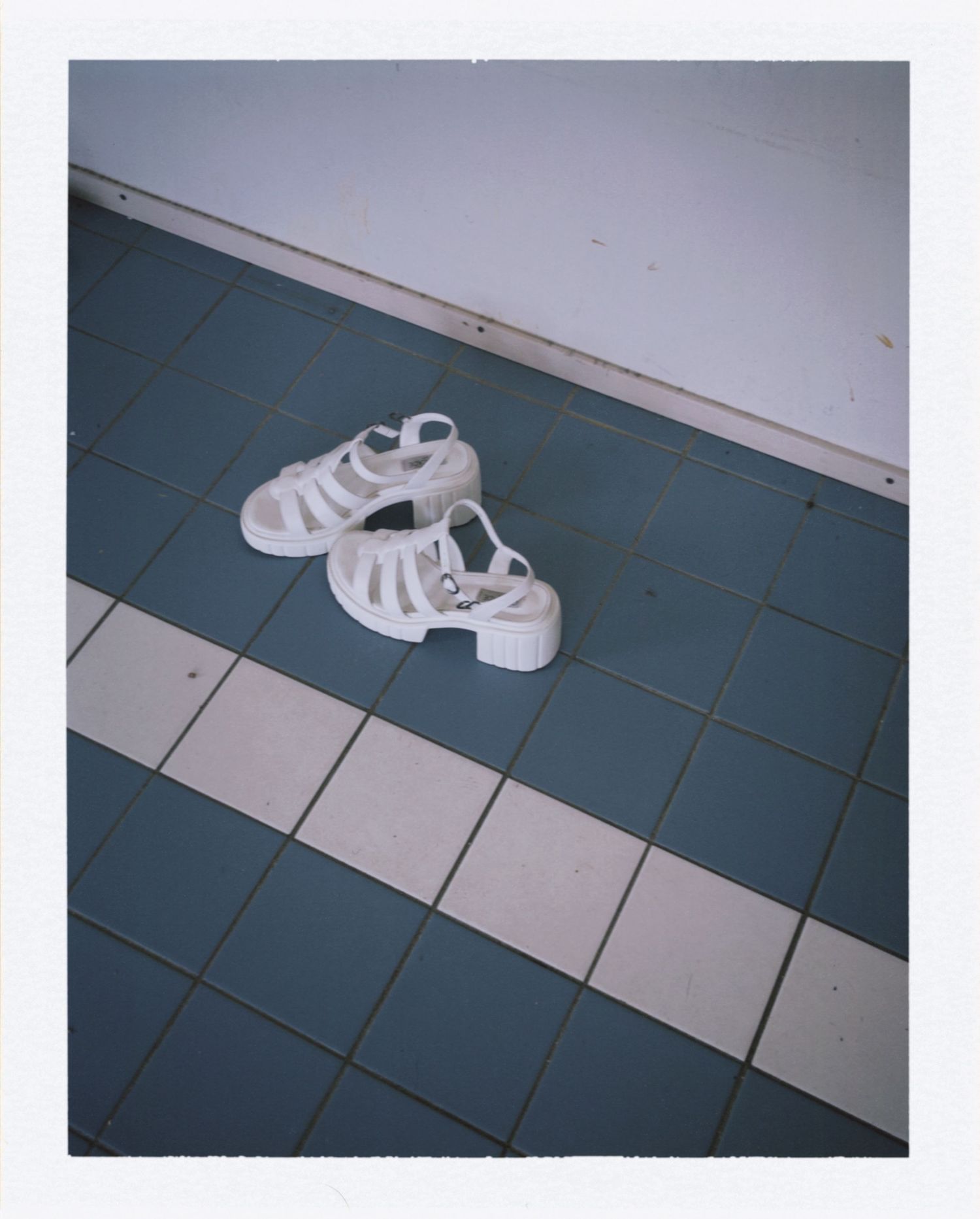
The Blues emerges from phenomenological inquiry into how aloneness enables genuine self-encounter. Rather than depicting loneliness as deficit or melancholy, the photographs visualize what contemporary research describes as solitude's distinctive qualities: stillness, heightened awareness, and what phenomenologist Thomas Dumm identifies as a "lightness" and sense of freedom that arises when we step outside social demand.
Formally, the series employs restrained compositions with substantial negative space, inviting slow looking and resisting immediate consumption. The sparse visual language mirrors the psychological spaciousness that solitude creates. Drawing on phenomenological traditions and recent research on contemplative practice, the series positions photography not as documentation but as meditation, a technology for deepening perception rather than capturing content.
The work engages philosopher Byung-Chul Han's critique of achievement culture in The Scent of Time: A Philosophical Essay on the Art of Lingering (2017), which examines how contemporary culture demands constant optimization and productivity. Han argues that contemporary exhaustion stems from internalized self-exploitation; we no longer require external coercion because we have absorbed the demand for endless performance. In this context, choosing to observe small, unproductive details becomes resistance. The Blues honors what Han calls "the scent of time": the experience of duration, depth, and authentic presence that contemporary culture systematically erodes.
The photographs do not illustrate predetermined emotions but create what might be called "containers for contemplation," inviting viewers to encounter their own interiority, their own solitude, their own capacity for presence. In contemporary visual culture saturated with stimulation and spectacle, the series offers quietness, spaciousness, and permission to linger. The work proposes that attention to small, overlooked details can function as a form of care, both for the world observed and for the observer willing to slow down.
The Blues occupies a crucial position within the artist's broader investigation into slowness, attention, and contemplative practice. Where previous works explored interiority through varied approaches, this series distills the inquiry into essential questions: What is the quality of presence available in solitude? How do we learn to attend to what produces no measurable outcome? What forms of knowing emerge when we choose stillness over acceleration?