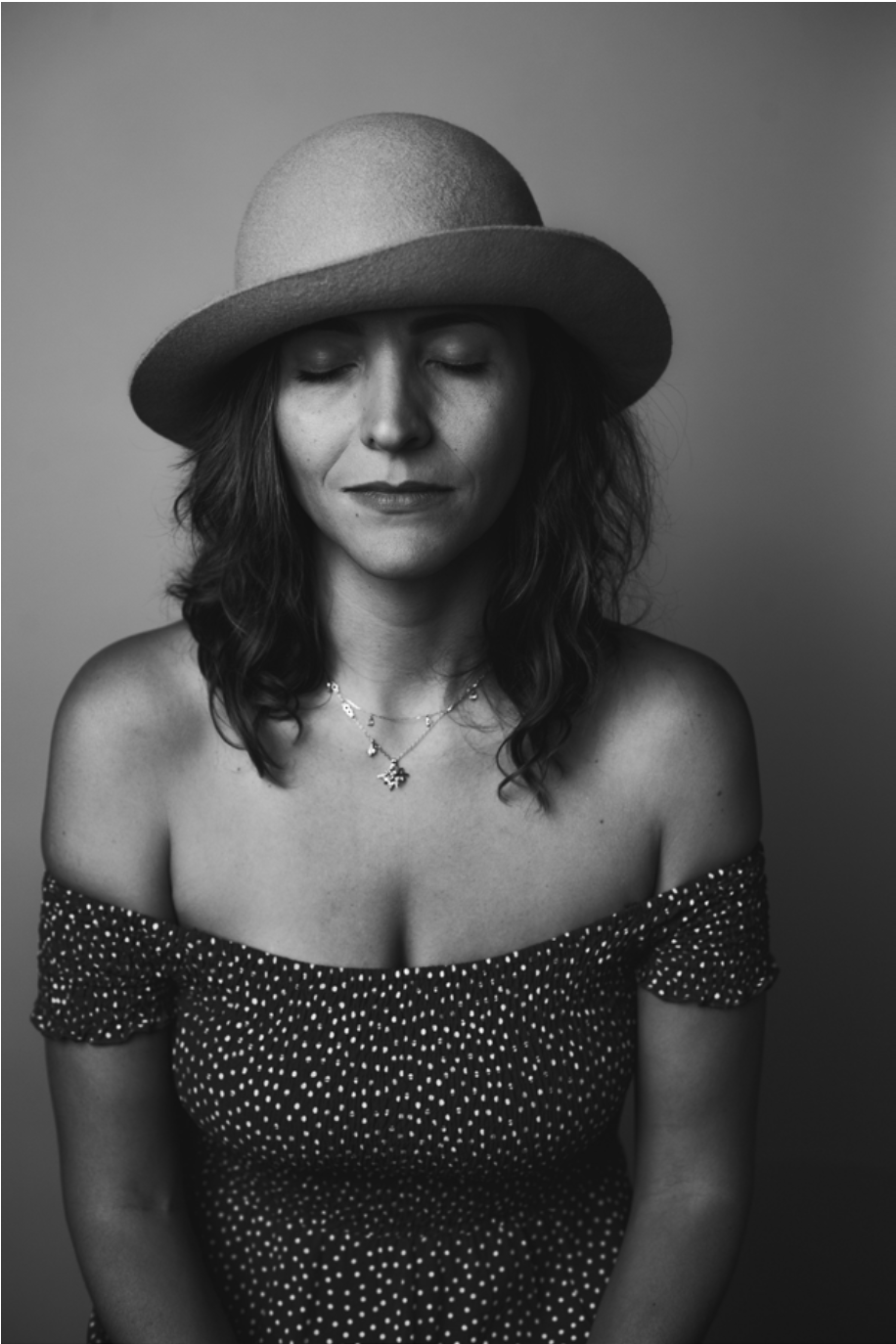
I see You
Performative photobox
2022
I see You examines the tension between visibility and introspection, asking what happens when the gaze turns inward instead of outward. Building on the earlier performance Leaving Masks, the work explores how individuals instinctively shift their expression and presence when being observed or photographed.
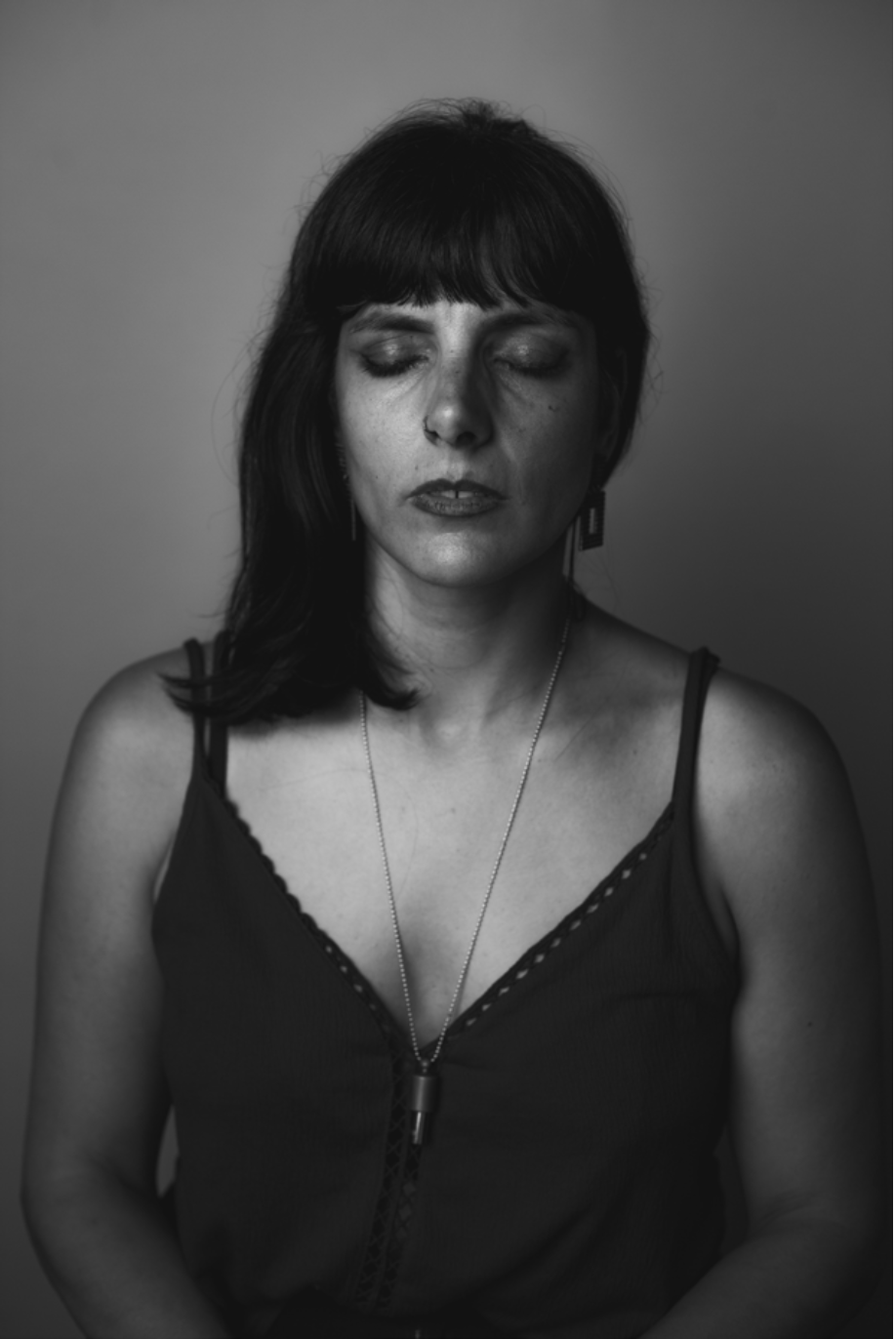
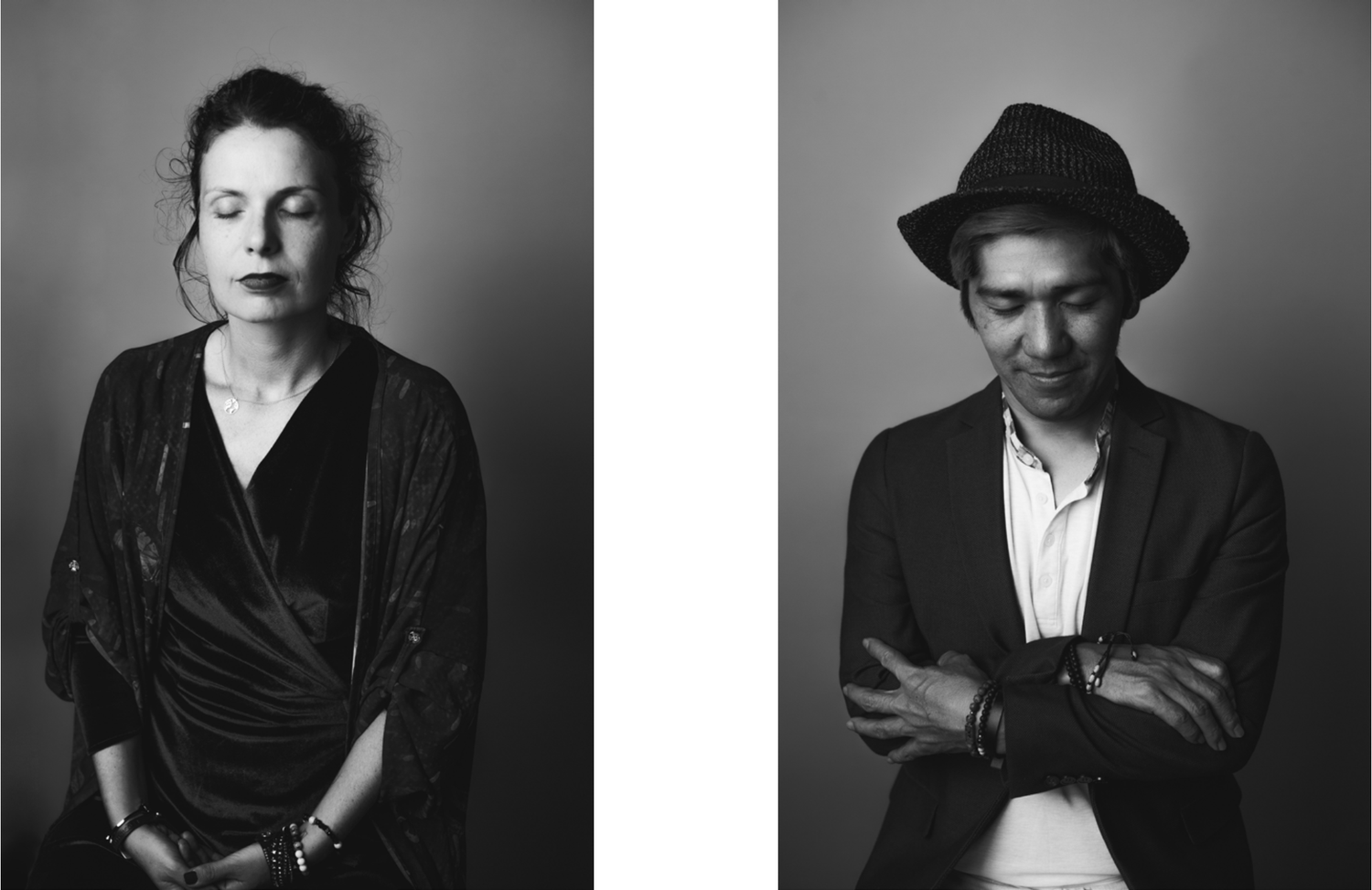
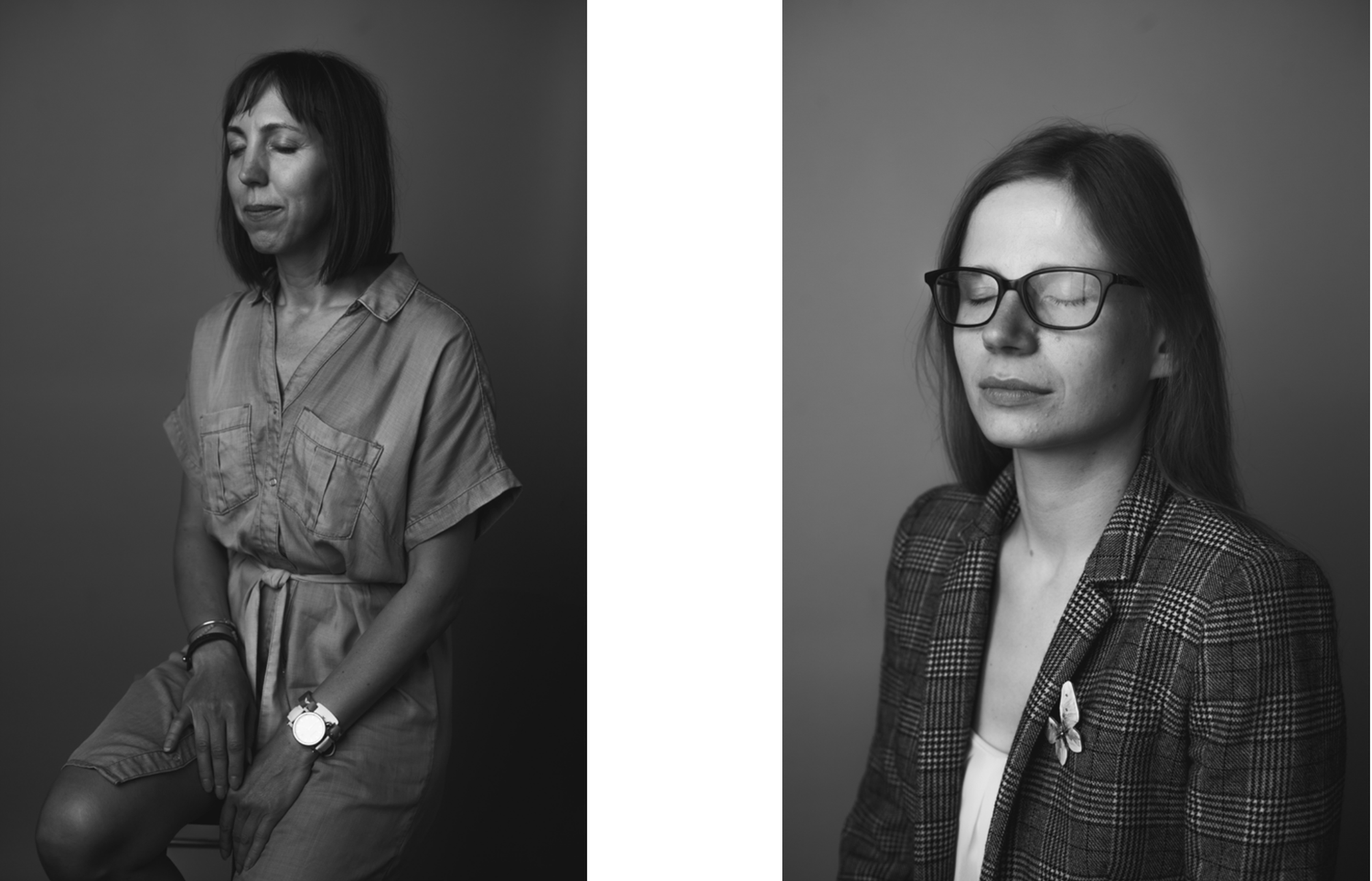
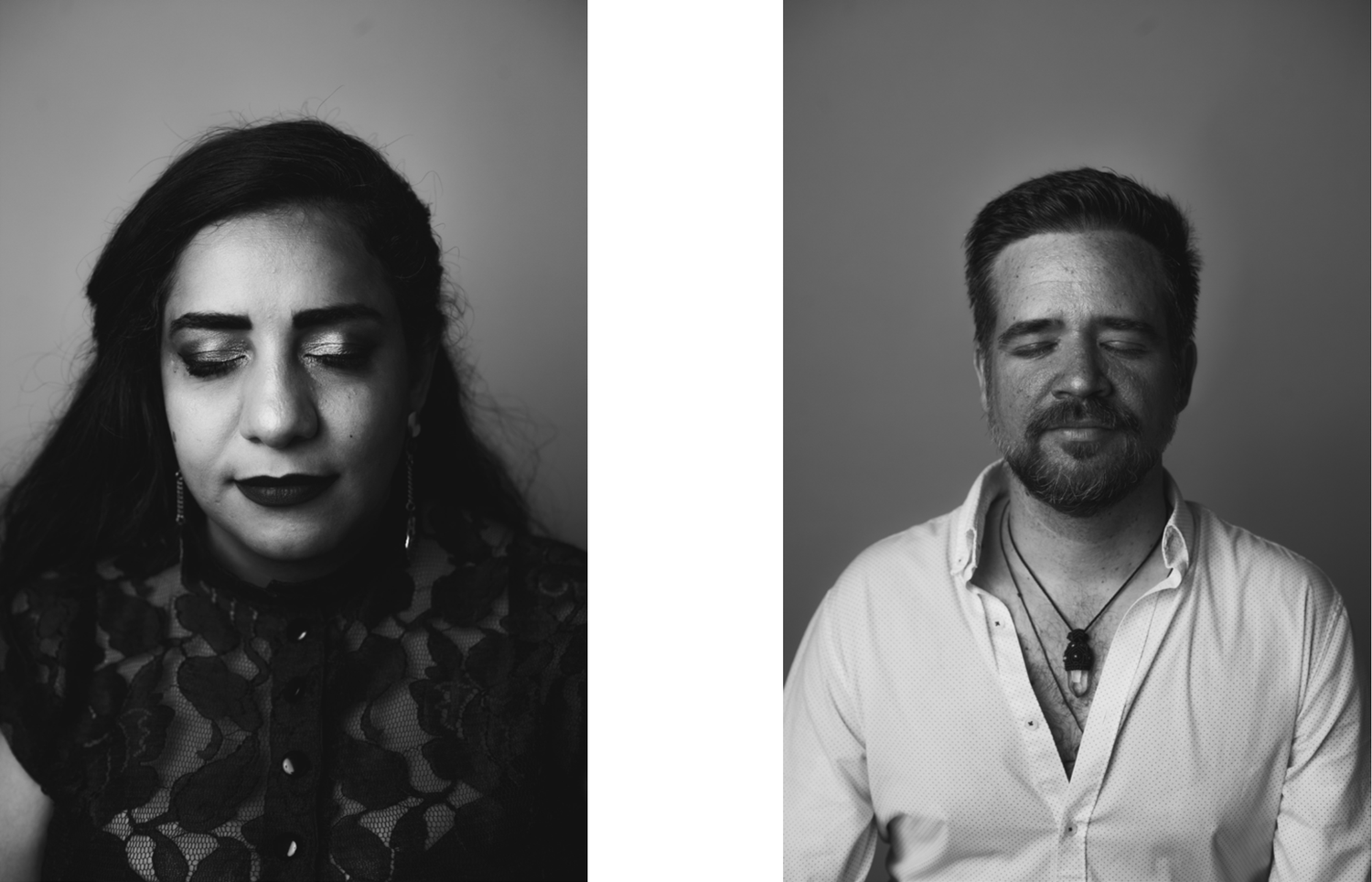
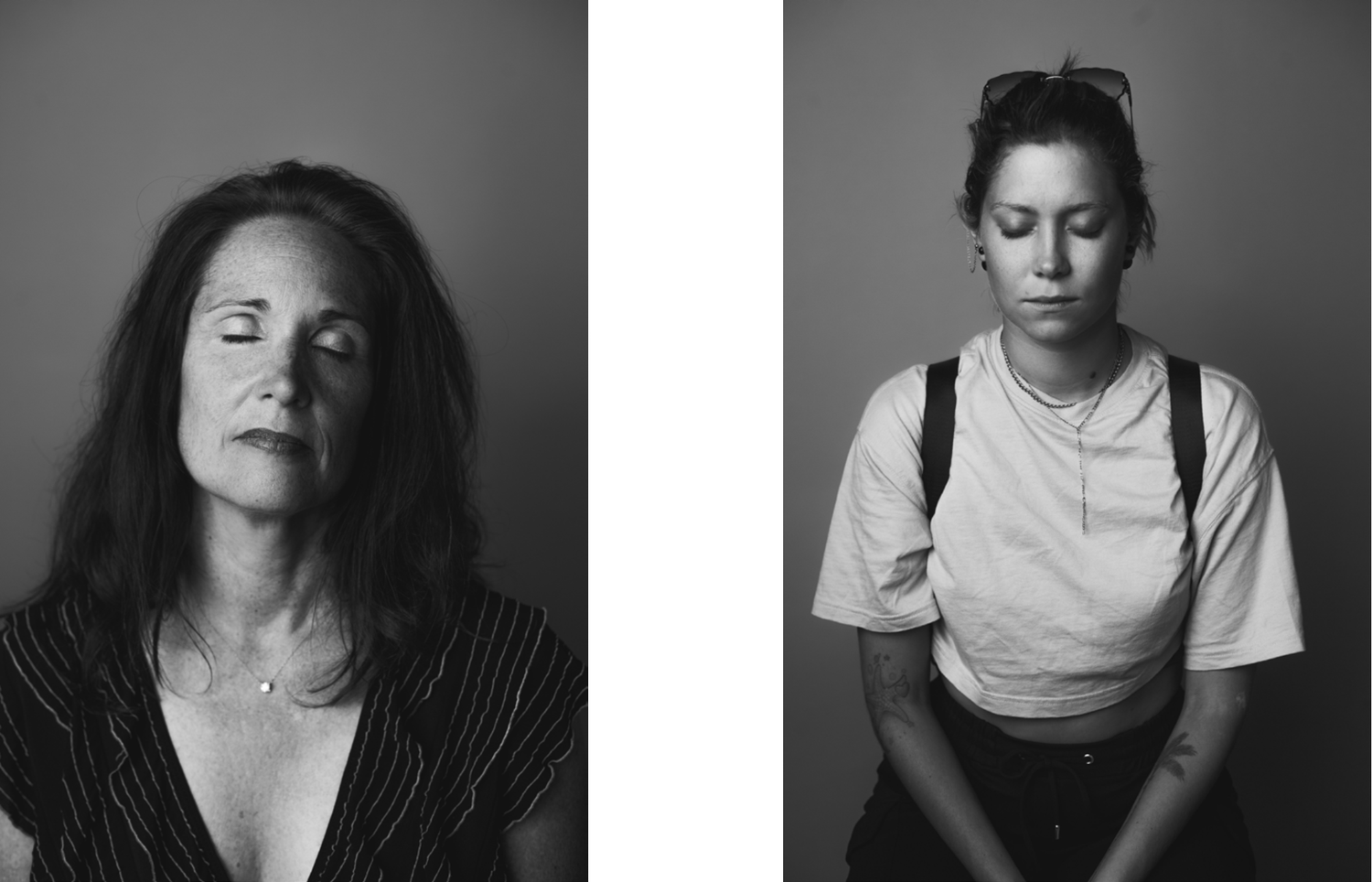
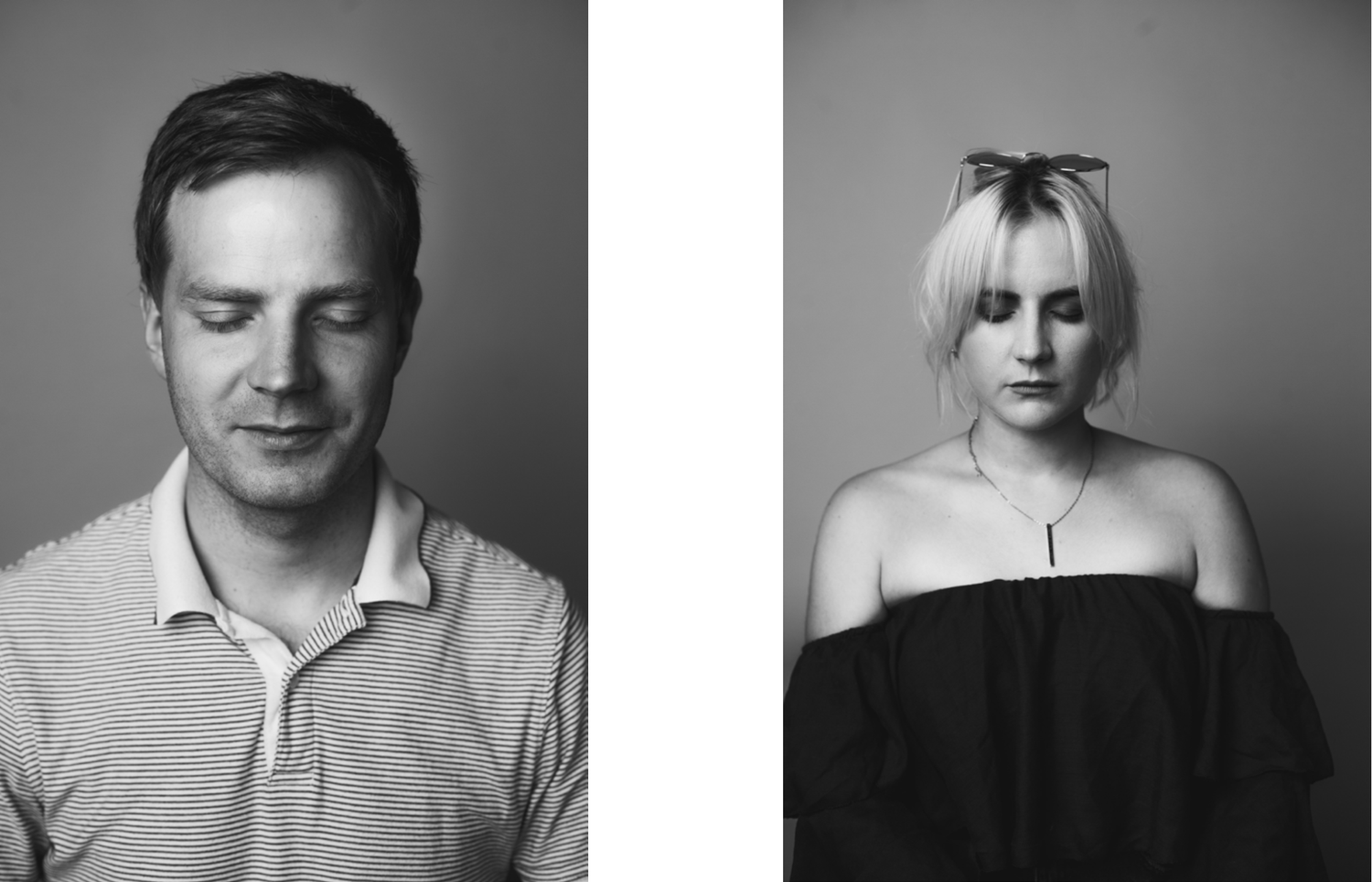
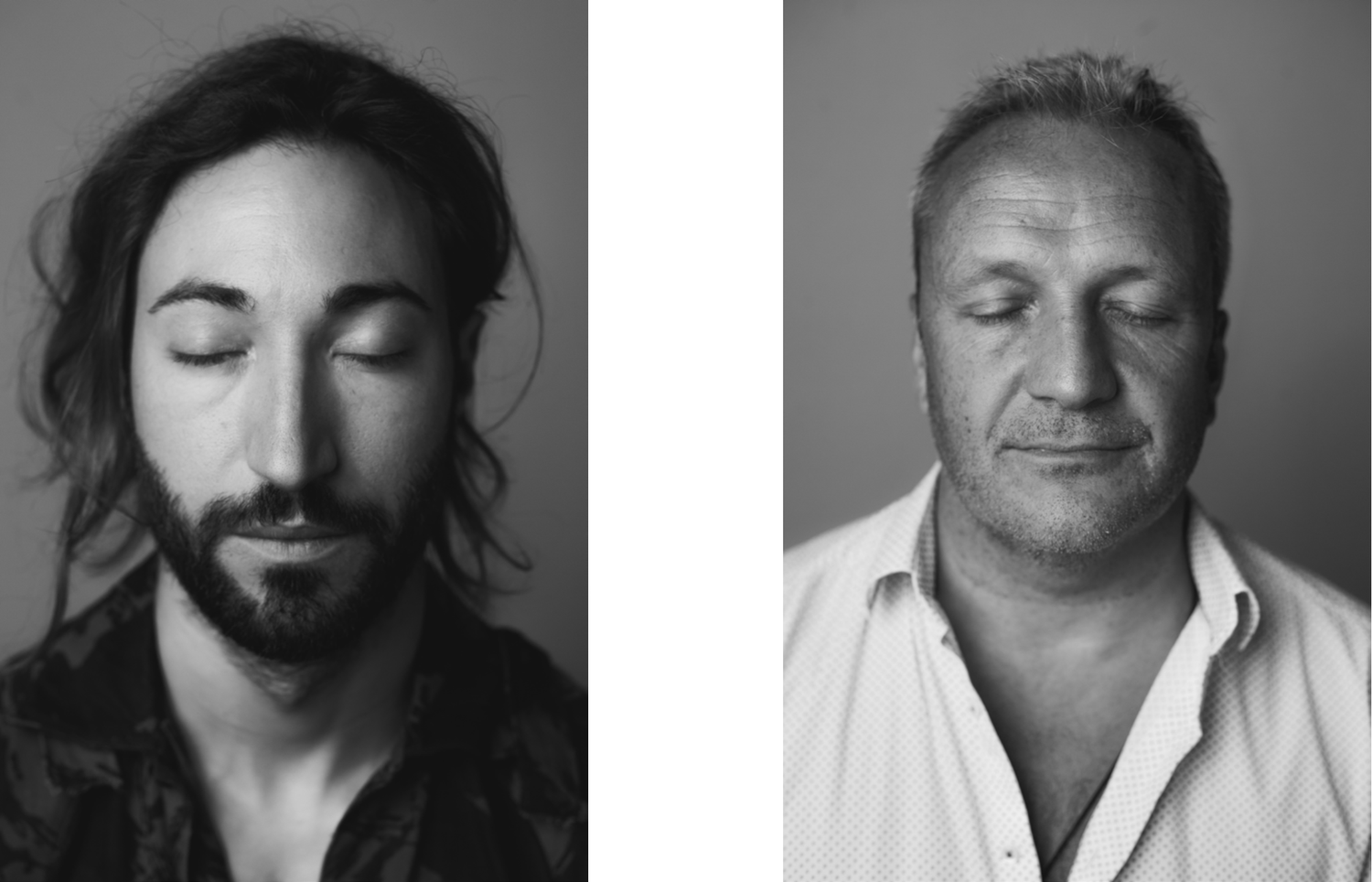
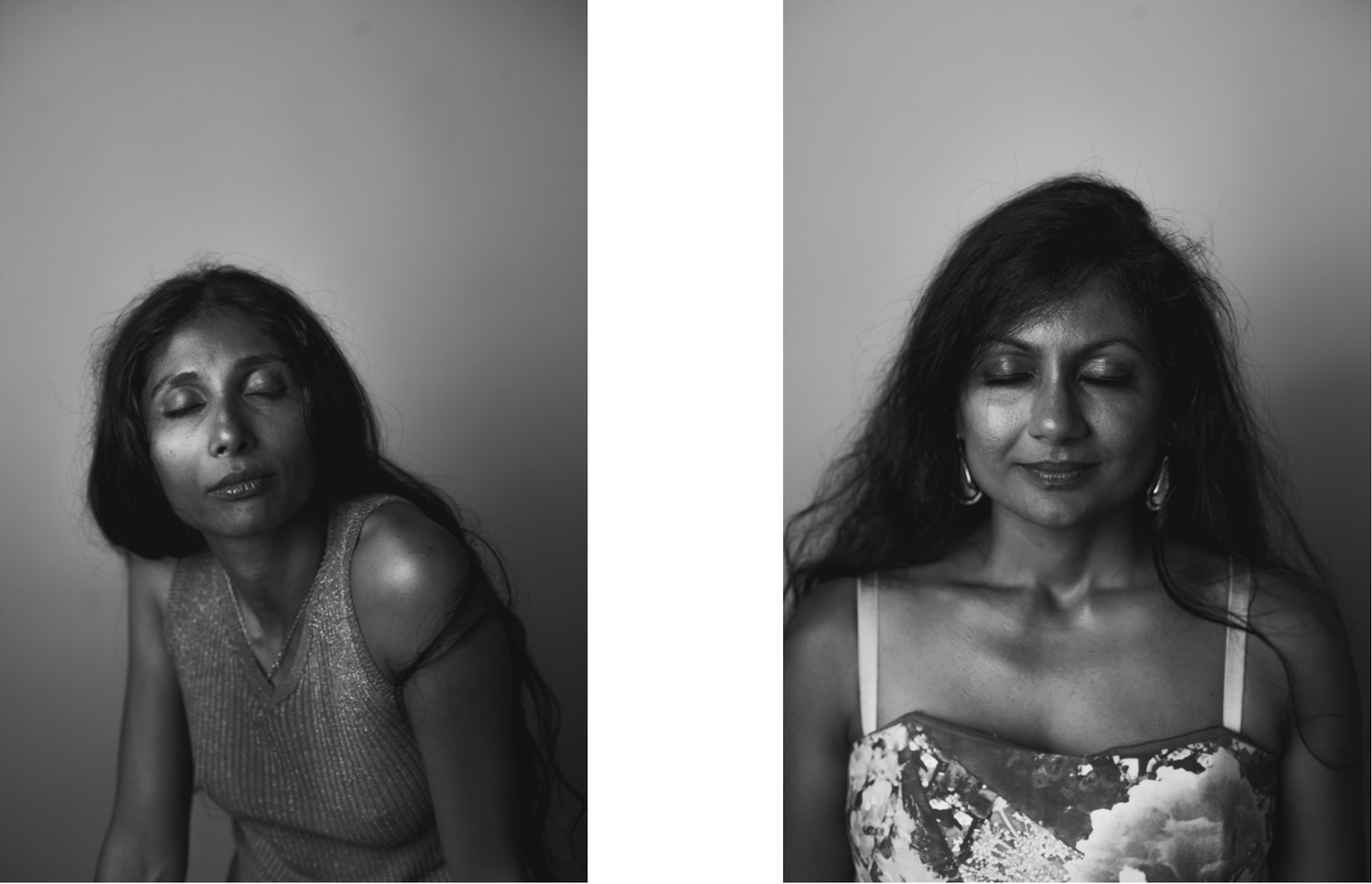
Participants were invited to close their eyes inside a photobox, turning away from the external act of being seen to encounter themselves instead. This simple gesture fundamentally alters the photographic encounter. With the eyes closed, the surface performance of identity dissolves, revealing a quiet, unguarded state. Participants cannot see the camera, cannot adjust their expression in response to being watched, cannot perform for an audience. What remains is something closer to presence itself, stripped of social negotiation.
Across the portraits, a shared sense of seriousness and stillness emerges, as if each person, momentarily disconnected from the world's gaze, entered a private space of silence. The faces become landscapes of interiority rather than masks of social identity. Without the eyes to anchor recognition or communication, viewers encounter the human face differently, attending to subtle qualities of expression and the vulnerability of a person existing in temporary solitude despite being photographed.
The project engages questions about photography and subjectivity that philosopher Roland Barthes explored: the experience of being photographed as becoming an object under another's gaze. I see You disrupts this power structure. By closing their eyes, participants reclaim agency within the photographic encounter, choosing not to meet the camera's gaze, not to perform legibility. The resulting images document not what participants wish to project but a state of being that exists prior to or beyond social presentation.
In an era of relentless self-presentation and visibility through selfies and social media, the act of closing one's eyes before a camera becomes quietly radical. It refuses the demand to be constantly legible, appealing, optimized. The photobox transforms from a technology of surveillance into a site of self-encounter and temporary refuge. The resulting portraits offer viewers the opportunity to look at human faces freed from the obligation to look back, to witness vulnerability without voyeurism, to recognize in each closed-eyed countenance something of our own need for privacy, silence, and the freedom to exist, even briefly, beyond the demands of being seen.